Rebranding Heritage Brands: Modernising Without Losing Brand Equity
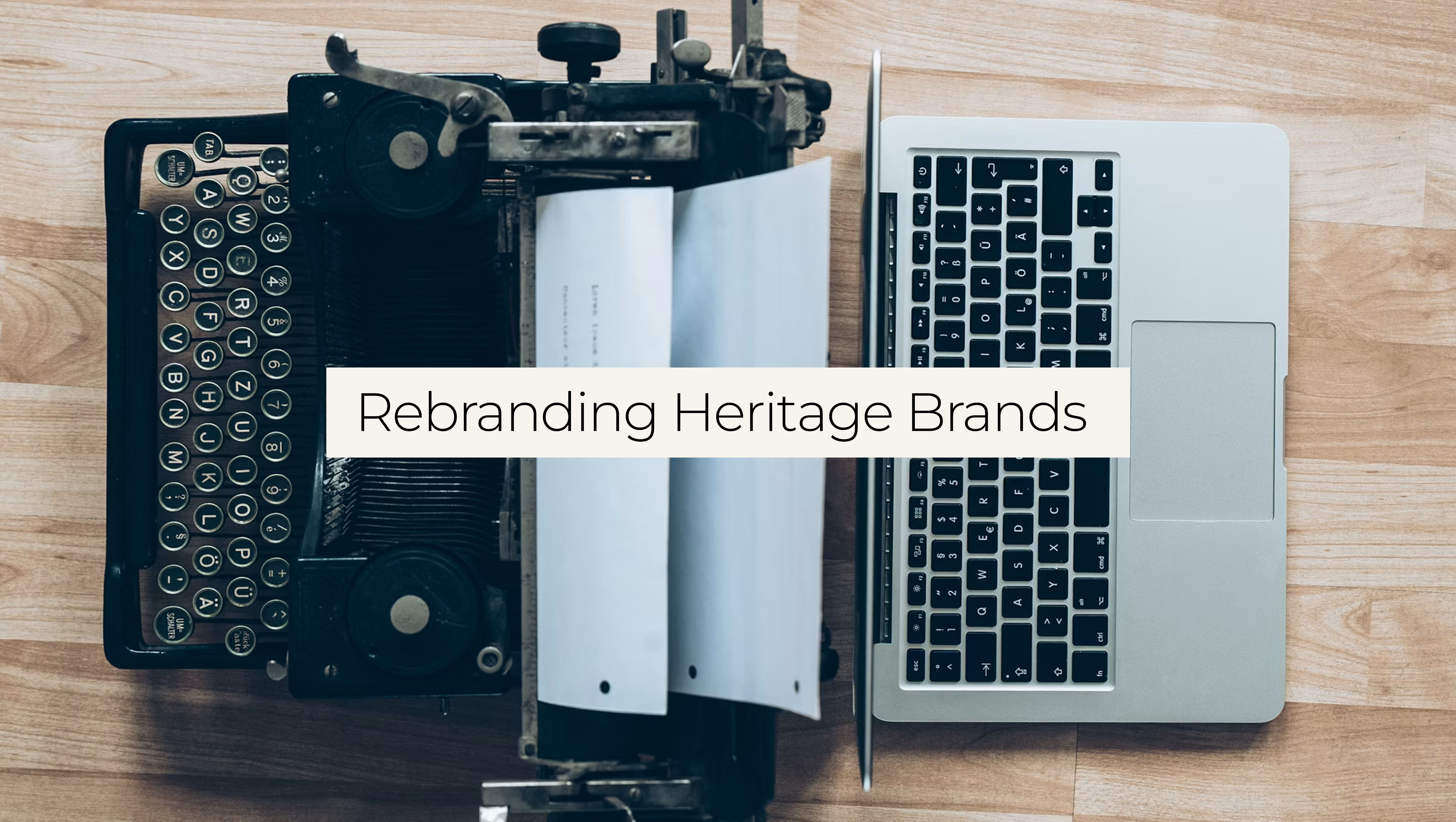
Heritage brands aren’t just recognisable, they have years (sometimes decades) of lived experience, habit and trust. Brand equity is a real asset, but it can also become a constraint when the world around you is changing faster than your brand.
A real dilemma for many heritage brands is that if you don’t modernise, you risk becoming irrelevant; change too much, and you risk alienating the people who made you successful in the first place.
The sweet spot is a rebrand that strengthens what people already love while setting you up to compete for the next decade – and that’s exactly how we approach heritage brand projects. As a rebranding design agency in London, we focus on creating real differentiation while building stronger emotional connections with your audience.
When Should a HeritageBrand Consider a Rebrand?
Being a heritage brand isn’t a reason to stand still – it’s a reason to evolve with even more intent. A rebrand is worth considering when the gap between what your brand stands for and what your audience expects is widening. Typical pressure points include:
● Losing relevance with younger audiences, even if older customers still “know” you.
● A crowded category full of look‑alikes, where you’re no longer the brand people spot first.
● Stretched positioning, creating confusion in-store, online and internally.
● A shift in category or culture, where what used to signal quality now signals “outdated”.
Refresh vs Full Rebrand
A refresh is often about updating your brand, whether it’s your visual identity or tone, without changing the core of who you are. Whereas a full rebrand happens when the foundations need work, such as the brand’s role, positioning or story, and you can’t carry on as you are. The risk is often higher, but it can offer several benefits when your existing brand is no longer working. Useful questions to test where you are include:
● Has our brand kept up with how people live, shop and talk today?
● Are we relying on promotions because our brand no longer does the heavy lifting?
● Do our core assets still feel distinctive and trusted, or tired and generic?
Understanding What People Really Value in Your Brand
After years in the market, brands often assume they know what customers value: heritage, quality, and tradition. But in reality, the most valuable parts of a brand can be quite specific. The best starting point is to uncover what people genuinely treasure, what they would fight to keep, and what they wouldn’t miss if it changed tomorrow. A practical way to get there is:
● Speak to both loyal customers and one-time users to understand memories, associations and deal‑breakers.
● Map different audience groups (long-standing fans, newer users, future targets) and identify what each values and expects.
● Look at behaviour and context; the most useful insight is often “when and why” people still choose you over newer options.
This is where an experienced rebrand agency in London adds real value, turning a rebrand into a growth decision rather than a taste exercise, and protecting what already works.
Identifying and Protecting Non‑Negotiable Brand Assets
“Non‑negotiables” are the assets that carry your brand in people’s minds. They are the things people instantly recognise and remember. This can include visual elements, such as your logo, colours and typography, and verbal elements, like product names, taglines, and distinctive tone.
The key is separating what’s genuinely distinctive and meaningful from what’s just familiar because it’s always been that way. In BrandMe’s work with nākd., that meant re‑establishing the brand as a pioneer in a crowded healthy snacking category through a strong, ownable and disruptive visual style, clear range navigation, and bolder communication of what makes nākd. unique. A simple asset audit you can run internally before any rebranding begins:
● What do people recognise first on the shelf or online?
● What do they mention unprompted when they talk about the brand?
● Which elements are tied to heritage, trust or nostalgia — and which are tied to old ways of doing things?
Then group your assets into four buckets: those you must protect, those that are flexible, the ones to retire, and new ones to add. For this we use our propriety KeepMe, BuildMe, LoseMe, AddMe tool. This is often the moment stakeholders relax because you’re not changing everything, you’re making deliberate choices about what elements stay the same.
Deciding What Needs to Change for Future Growth
Once you’ve clarified what needs to remain recognisable, modernising is much more straightforward. You’re no longer asking “what should we change?”, you’re asking “what’s holding us back?” Common growth blockers for heritage brands include:
● Outdated visuals that no longer reflect people’s lives or current category cues - what often causes premium brands to look old-fashioned.
● Overcomplicated ranges - preventing people from being able to find what they need quickly and causing them to turn to challenger brands.
● Messaging that focuses on the past when buyers want proof that it still fits their world today - without losing the reassurance of heritage.
Prioritise changes that improve relevance, clarity and distinctiveness in today’s market, while keeping the core instantly recognisable.
A Structured Approach to Rebranding Heritage Brands
Rebranding can easily go wrong, especially when it’s rushed or subjectively-led A collaborative, structured process reduces risk for much‑loved brands. It makes decisions traceable and helps internal teams see exactly what’s being done and why. A clear framework looks like:
● Diagnose the challenge: what isn’t working commercially and emotionally.
● Define the future role and positioning: where the brand needs to play in the market.
● Audit and prioritise assets: separate equity to protect from elements to evolve.
● Explore design territories: different ways to balance familiarity and freshness.
● Test, learn and refine: with the right audiences, channels and in‑market checks.
This is where working with an experienced rebranding design agency in London can really help, ensuring the new brand identity lands with confidence - not crossed fingers.
Modernising Without Losing the Magic
The goal isn’t to erase history; it’s to make it work harder. The best heritage rebrands don’t abandon what made the brand famous -they clarify it, sharpen it, and remove the elements that stop new audiences from “getting it” quickly. In practice, that often means:
● Making the brand more single‑minded, as one strong idea often beats five competing messages. In our work with Sumol, that meant modernising the design to feel more single‑minded and to appeal more directly to the core target.
● Doubling down on the assets that make your brand feel unmistakably ‘you’, then expressing them in a more modern way – as we’ve done for long‑standing brands like Thompson’s Tea, where heritage is a strength but modern shelf impact is essential.
● Designing for real decision‑making; shelf impact, scroll‑stopping, quick comprehension and confident choice matter just as much as ‘looking modern’.
Managing Internal and External Reaction
Rebranding a heritage name can feel high-stakes - internalteams feel protective of the brand, and local customers are the first to say something if they think the brand is being ‘messed with’. Change managementshould be part of the project, rather than an afterthought. Pragmatic tips that reduce backlash and build trust include:
● Bring stakeholders on the journey early - align onprinciples and show visual examples so feedback revolves around sharedcriteria, not personal taste.
● Communicate the “why” to customers - explain what’s changed, what hasn’t, and what’s in it for them (clearer choices and better experiences, but the same product they love).
● Consider phased rollouts or pilots across specific channels or audience segments - changes can then be made before scaling.
Transparency protects trust during times of change, and trust is essential for a legacy brand.
Working With a Rebranding Agency in London on Heritage Brands
Successful heritage rebrands respect what people already love while making the brand more relevant for the market today. When done well, modernisation doesn’t dilute equity; it protects it while ensuring your brand is ready for the future.
If you’re looking for a rebranding agency in London you can rely on for this balance, we’ve been doing it for three decades. Our team has a collaborative approach, and all our services are underpinned by PortfolioPerspective™. We use your legacy as a competitive advantage and protect the magic while modernising the brand for what comes next.
When you’re ready to talk about what’s next for your heritage brand, we’re here.